Lab-Grown Diamond Guide
What Are Cut, Polish, Symmetry, and Fluorescence?
Learn how Cut, Polish, Symmetry, and Fluorescence affect the brilliance of lab-grown diamonds. Discover why these technical grades matter more than size alone.
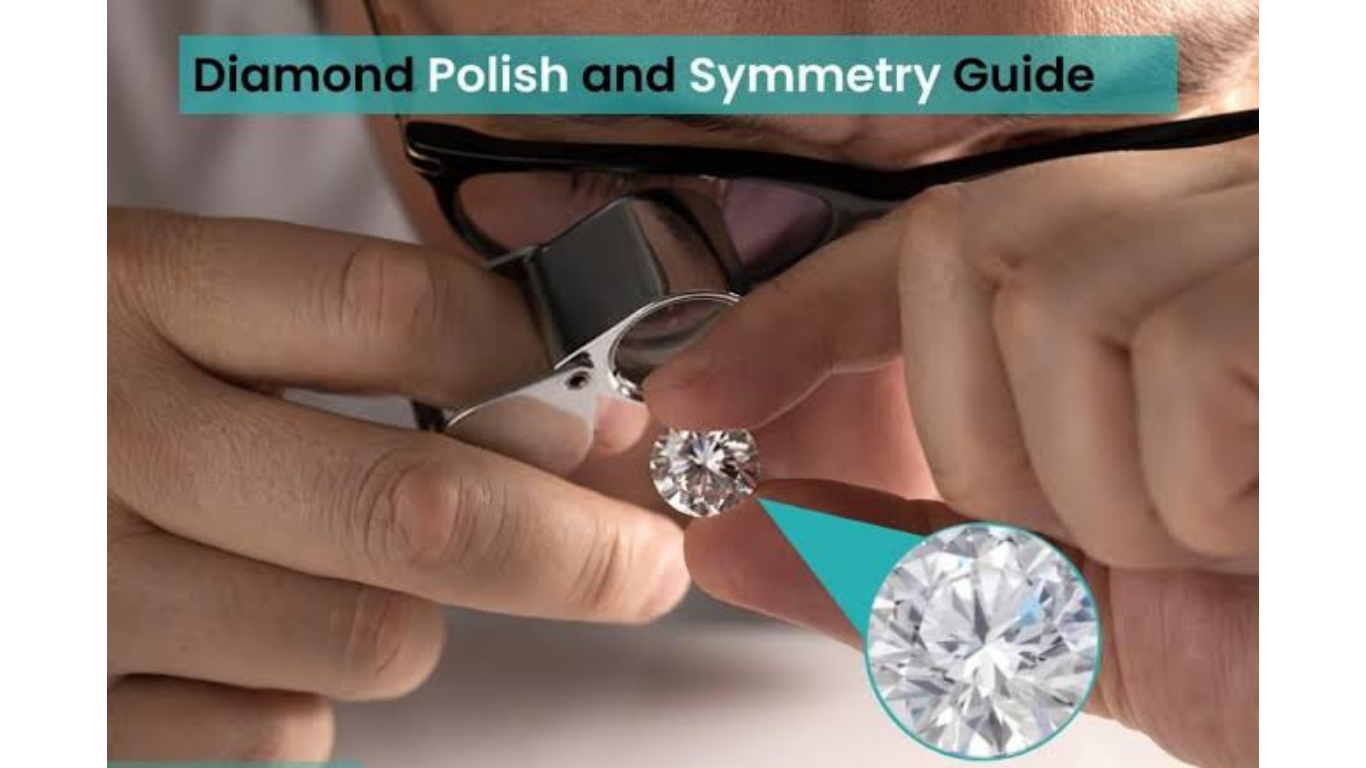
In lab-grown diamond certificates, terms like Cut, Polish, Symmetry, and Fluorescence are essential for understanding technical quality and visual impact. These factors determine how light interacts with the stone, revealing brilliance that goes beyond mere carat weight, color, and clarity.
A diamond's sparkle, surface clarity, proportional balance, and behavior under light are better evaluated through these criteria. Understanding what these terms mean is crucial for making an informed decision when selecting a certified lab-grown diamond.
What is Cut?
Cut refers to the quality of a diamond's cutting. It is one of the most influential factors in how a diamond handles light, reflects it internally, and returns it to the eye.
Cut is not just about the shape of the diamond. While shapes like Round, Oval, Pear, or Emerald describe the form, the cut grade reflects how successfully the proportions, angles, and light performance of that form are executed.
Is Cut the Same as Diamond Shape?
No. Cut and diamond shape are not the same thing. The diamond shape describes the external form of the stone. For example, Round, Oval, Pear, Radiant, Emerald, Marquise, and Baguette are all shapes.
The cut quality indicates how well that shape is executed with correct proportions and how effectively it reflects light. Two diamonds can share the same shape, but if their cut grades differ, their sparkle will look different.
Why is Cut Important?
Cut quality is one of the most important factors in making a diamond look alive and vibrant. A well-cut diamond reflects light more evenly and appears brighter.
A diamond with a high carat weight but poor cut may not deliver the expected brilliance. Conversely, a smaller diamond with an excellent cut can appear much more lively and impressive than a larger one with a lower cut grade.
What is Polish?
Polish refers to the quality of the diamond's surface finish. It indicates how smoothly and cleanly the surface of the diamond was polished after cutting.
A diamond with a high polish value will have a smoother surface. This helps light move more cleanly across the diamond. A low polish value may indicate microscopic scratches or polishing defects on the surface.
Does Polish Affect Brilliance?
Yes. Polish can affect a diamond's brilliance. While very small polishing marks may not be visible to the naked eye, high-quality diamonds prioritize surface cleanliness to contribute to balanced light reflection.
Polish quality becomes even more important for larger carat diamonds. As the stone size increases, surface details become more noticeable.
What is Symmetry?
Symmetry refers to how accurately the facets, proportions, and general geometric balance of the diamond are executed. When every facet of the diamond aligns harmoniously, it helps light move in a balanced way.
A diamond with high symmetry will have facets that are more regularly aligned. This results in a more balanced, clear, and aesthetic appearance.
Why is Symmetry Important?
Symmetry affects the visual integrity of the diamond. If symmetry is poor, the distribution of light may be uneven. This can cause some areas to appear darker or duller.
A diamond with good symmetry reflects light more evenly, providing a balanced sparkle. Therefore, symmetry information should always be considered when selecting a certified diamond.
What is Fluorescence?
Fluorescence refers to a diamond's reaction under ultraviolet (UV) light. Some diamonds may emit a blue or different tone of glow when exposed to UV light.
The fluorescence grade varies from diamond to diamond. On certificates, it is typically listed as None, Faint, Medium, Strong, or Very Strong.
Does Fluorescence Make a Diamond Bad?
No. Fluorescence alone does not make a diamond bad. Its effect depends on the diamond's color, clarity, and overall appearance.
In some diamonds, fluorescence may not be visible to the naked eye. In others, especially those with strong fluorescence, the diamond may appear slightly hazy or milky under certain lighting conditions. Therefore, fluorescence should be evaluated in the context of the diamond's overall quality balance.
Comparison of Cut, Polish, Symmetry, and Fluorescence
| Criterion | Meaning | Effect on Diamond | |---|---|---| | Cut | Cutting quality | Affects brilliance and light return | | Polish | Surface finishing quality | Affects surface cleanliness and light movement | | Symmetry | Facet and proportion balance | Affects visual balance and light distribution | | Fluorescence | Reaction to UV light | Can affect appearance under certain lighting conditions |
What Do Excellent, Very Good, and Good Mean?
In diamond certificates, cut, polish, and symmetry grades are often listed as Excellent, Very Good, or Good. These grades indicate the level of technical craftsmanship.
- **Excellent:** One of the highest evaluation levels. It represents strong quality in terms of light performance and workmanship.
- **Very Good:** A high-quality level that can offer a strong and balanced appearance for most users.
- **Good:** An acceptable quality level, though the brilliance effect may be more limited compared to Excellent or Very Good levels.
What Does 3 Excellent Mean?
3 Excellent indicates that the cut, polish, and symmetry grades of the diamond are all at the Excellent level. This term is frequently used, especially for round-cut diamonds.
A 3 Excellent diamond demonstrates strong technical quality in terms of cutting, surface finish, and symmetry balance. However, when choosing a diamond, it should still be evaluated alongside carat, color, clarity, and certification information.
What Does Fluorescence None Mean?
Fluorescence None means that the diamond does not show a significant glow under ultraviolet light. This is a preferred feature, especially for higher color grades.
None or faint fluorescence values generally offer a more neutral appearance for most diamonds. Medium, strong, or very strong fluorescence values can sometimes affect the diamond's appearance under light.
Are Cut, Polish, and Symmetry Important for Lab-Grown Diamonds?
Yes. Cut, polish, and symmetry are extremely important for lab-grown diamonds as well. Because lab-grown diamonds have the same crystal structure as natural diamonds, their light performance is directly linked to cutting and workmanship quality.
The accessible price advantage of lab-grown diamonds can open up options for larger carats or higher quality. However, to achieve a strong visual effect, cut quality must be carefully evaluated, not just carat size.
For detailed information about lab-grown diamonds, you can review the lab-grown diamond guide.
How Should These Values Be Evaluated When Choosing a Diamond?
When choosing a diamond, cut, polish, symmetry, and fluorescence should not be evaluated individually but in conjunction with the diamond as a whole. The best choice is one where the balance of carat, color, clarity, cut, certification, and design compatibility is correct.
Especially for larger carat diamonds, having high cut, polish, and symmetry values is more important. As the stone size increases, light movement and surface details become more pronounced.
Why is Cut More Noticeable in Round Cuts?
In round-cut diamonds, the cut value is evaluated in a more standardized way. Therefore, the term "Excellent cut" is more frequently seen in round diamonds and is considered important for light performance.
In fancy cuts, evaluation is not limited to the cut grade alone. For shapes like Oval, Pear, Emerald, Radiant, Marquise, and Baguette, the proportions, symmetry, and overall appearance of the diamond are additionally evaluated.
To explore different diamond shapes, you can browse the fancy cut diamond rings category.
X Diamond's Approach to Diamond Quality
At X Diamond, diamond selection is not based solely on carat weight. Cut, polish, symmetry, fluorescence, color, clarity, and certification information are all evaluated together.
Our goal is to offer a diamond appearance that is technically strong, visually impressive, and compatible with the design. In every piece of jewelry, the balance of the diamond with the setting, prong structure, gold color, and overall presentation is considered together.
Conclusion: Quality is in the Details
Cut, polish, symmetry, and fluorescence values are more than just technical information on a certificate. These values help you understand the diamond's relationship with light, surface quality, and overall appearance.
The best diamond selection is made not just by looking at large carats, but by examining the detailed balance of quality. The correct cut, successful polish, balanced symmetry, and appropriate fluorescence value enhance the effect of the diamond in the jewelry.
Frequently Asked Questions
What is Cut?
Cut refers to the quality of a diamond's cutting. It is one of the most important criteria affecting how a diamond reflects light and how vibrant it appears.
What is Polish?
Polish is the quality of the diamond's surface finish. It indicates how smoothly and cleanly the surface has been polished.
What is Symmetry?
Symmetry refers to how harmoniously the facets, proportions, and geometric balance of the diamond are executed.
What is Fluorescence?
Fluorescence refers to a diamond's reaction under ultraviolet light. Some diamonds may emit a blue or different tone of glow under UV light.
What does a 3 Excellent diamond mean?
3 Excellent indicates that the cut, polish, and symmetry grades of the diamond are all at the Excellent level.
What does Fluorescence None mean?
Fluorescence None means that the diamond does not show a significant glow under ultraviolet light.
Is Cut or Carat more important?
Carat affects the perception of size, while Cut determines the brilliance. Both should be evaluated together for a strong appearance.
Is Cut important for lab-grown diamonds?
Yes. Cut is extremely important for lab-grown diamonds because a diamond's brilliance is directly linked to cutting quality.
What is Polish?
Polish is the finish grade indicating how smoothly and cleanly the facets of the diamond were polished after cutting. Remaining polishing lines, burn marks, or small finishing defects on the surface can affect the grade.
Are Cut, Polish, and Symmetry the Same Thing?
| Term | What Does It Describe? | |---|---| | Cut | Effect of proportions and facet arrangement on light performance | | Polish | Cil and finish quality of facet surfaces | | Symmetry | Geometric alignment of facets relative to each other | | Fluorescence | Diamond's reaction under ultraviolet light |
Is Excellent Polish Mandatory?
The small differences between Excellent and Very Good may not be easily visible to the naked eye in most stones. It should be evaluated in conjunction with overall light performance and budget.
Source
GIA Diamond Cut and Quality Guide